


Read More About Malaysia Batik


Style with Purpose.



Product not found


Blog Posts
Have you ever wondered how a simple piece of fabric can tell a cultural story? In Malaysia, the art of batik transforms cloth into a canvas of tradition and creativity. This wax-resist dyeing technique is more than just a craft—it’s a symbol of national pride.
Unlike its Indonesian counterpart, Malaysian batik stands out with bold floral designs and vibrant hues. The block-printed method uses intricately carved stamps to apply wax, creating patterns that blend heritage with modern flair. Today, these textiles adorn everything from fashion to home decor.
Curious about how this art form evolved? Dive into its rich history, uncover production secrets, and discover how contemporary makers keep the tradition alive. Ready to explore? Let’s begin your batik journey.
The Rich History of Batik in Malaysia
Centuries ago, traders brought a wax-dyeing tradition that would shape Malaysia’s identity. This art form, rooted in history, flourished under royal patronage in Kelantan and Terengganu. Using hot wax and vibrant dyes, artisans created textiles that became symbols of cultural pride.
Origins and Cultural Significance
The technique traces back to 18th-century royal workshops. Sultans of Kelantan and Terengganu championed mass production, blending local motifs with foreign influences. After Malaysia’s 1957 independence, batik was declared national attire to unify cultural identity.
Evolution from Traditional to Modern Batik
Unlike Indonesian methods, Malaysian artisans often work on standing frames. This unique process allows bolder designs. Though demand waned in the 1990s, a 2003 revival fused tradition with contemporary trends, securing its place in global fashion.
The Art of Block-Printed Batik in Malaysia
Creating stunning textiles requires more than just skill—it starts with the right tools. Artisans employ two primary techniques: block printing and hand-drawing. Each method produces distinct patterns and textures, rooted in tradition yet adaptable to modern tastes.
Tools and Materials Used
Block printing relies on reusable copper or zinc stamps. Historically, these were crafted from repurposed tin cans. The wax mixture for blocks is paraffin-heavy, making it cost-effective for large batches.
In contrast, hand-drawn designs use a canting—a spouted tool for precise wax application. Its wax blend includes more beeswax for flexibility, allowing delicate shading. Fabrics also differ: cotton dominates block prints, while silk elevates hand-drawn pieces.
Differences Between Block-Printed and Hand-Drawn Batik
- Efficiency: Block printing covers 20-meter fabric rolls; hand-drawn limits to 4 meters.
- Designs: Blocks create repetitive geometrics; hand techniques enable organic, shaded motifs.
- Texture: Copper blocks leave crisp lines, while *canting* strokes add depth.
Both methods preserve cultural heritage, yet their tools and outcomes cater to different markets—mass-produced vibrancy versus artisanal luxury.
Characteristics of Malaysian Block-Printed Batik
What makes Malaysian textiles stand out in a sea of traditional crafts? Their bold identity lies in vibrant colours, intricate motifs, and carefully chosen materials. Each piece is a testament to cultural fusion and artistic precision.
Vibrant Colors and Bold Motifs
Unlike the earthy tones of Indonesian textiles, Malaysian designs burst with pinks, blues, and turquoise. Chemical dyes replaced traditional sogan brown, enabling brighter hues that catch the eye.
Islamic influences shape geometric patterns, while nature inspires bold floral designs. Hibiscus blooms and sea waves are iconic motifs, often arranged in repeating layouts or border-focused compositions.
Common Fabrics and Patterns
Tightly woven cotton is the preferred material for block printing. Its smooth surface ensures crisp lines when stamped with wax. Artisans starch the fabric beforehand to improve wax adhesion.
For luxury pieces, silk is oiled to enhance dye absorption. Patterns are standardized on 20-meter rolls, ideal for commercial apparel production. This balance of tradition and efficiency keeps the craft alive.
The Block-Printed Batik Production Process
Transforming plain fabric into vibrant art involves a meticulous process. From boiling cloth to final dyeing, each step ensures the colours and prints remain sharp and lasting. Here’s how artisans create these stunning textiles.
Step 1: Preparing the Fabric
Artisans boil cotton to remove residues, then apply cassava or rice starch. This step prevents dye bleeding and ensures even absorption. Tightly woven fabrics work best for crisp block impressions.
Step 2: Applying Wax with Blocks
Copper stamps dipped in wax (65–70°C) are pressed onto the fabric. Proper temperature prevents over-penetration. Key techniques include:
- Even pressure: Ensures uniform wax coverage.
- Paraffin blends: Create crackle effects during dye baths.
Step 3: Dyeing and Finishing
The polychrome method layers light-to-dark colours, using chemical strippers between dips. Modern spray-dyeing speeds production, while vat-dyeing preserves tradition. Finally, boiling removes wax, revealing the design.
Modern Adaptations of Block-Printed Batik
Innovation meets tradition in today’s textile scene, where age-old techniques get a fresh twist. Artisans now blend heritage designs with digital tools, creating hybrid pieces that appeal to global audiences. This evolution keeps the craft relevant while honoring its roots.
Contemporary Designs and Trends
Batik Boutique’s workshops showcase how screen-printing and wax overlays add texture to modern prints. Designers like Radzuan Radziwill fuse streetwear with traditional motifs, pairing bold florals with urban silhouettes.
Key trends reshaping the craft:
- Fast-fashion collabs: Batik-print hijabs and limited-edition sneakers.
- Eco-upgrades: Organic dyes and recycled cotton bases for sustainable silk alternatives.
- Digital integration: Laser-cut blocks and AI-assisted pattern drafting.
Batik in Fashion and Home Decor
Malaysia’s #BatikThursday initiative fuels workplace adoption, while designers reimagine fashion with asymmetrical cuts and metallic accents. Home decor sees batik-laminated tables and statement wall panels.
Local retailers celebrate Batik Day (December 3) with pop-ups featuring:
- Textured throw pillows using the crackle method.
- Limited-run artist collaborations.
How to Identify Authentic Block-Printed Batik
Spotting genuine craftsmanship requires a keen eye for detail—here’s what to look for. Authentic pieces blend traditional techniques with subtle imperfections that mass-produced fakes can’t replicate.
Examining the Reverse Side
Flip the fabric over. Real prints show equal colour vibrancy on both sides. Machine-made copies often saturate only the front.
Look for wax residue on the reverse side. Artisans apply hot wax through blocks, leaving faint traces. Uniform dye penetration is another hallmark of quality.
Assessing Wax Patterns and Dye Quality
Authentic wax patterns have slight irregularities—tiny bleeds or brushstrokes. These flaws prove hand-crafting. Crisp, mirrored repeats indicate block stamps.
Test dye quality by scratching the surface. Natural dyes flake gently, while chemical ones chip unevenly. Neon hues often signal synthetic materials.
- Scratch test: Genuine wax flakes under light pressure.
- Motif edges: Hand-stamped designs may have softer lines.
- Fabric feel: Starched cotton should crinkle slightly.
Conclusion
The art of batik continues to bridge tradition and innovation. This fabric craft preserves cultural stories while adapting to modern tastes. Supporting local artisans ensures these techniques thrive for future generations.
Visit Kelantan’s workshops to witness the process firsthand. Brands like Batik Boutique merge heritage with contemporary designs, offering unique pieces. Emerging trends like biodegradable waxes and digital tools promise exciting evolutions.
Join the celebration during Batik Day events this December. Experience live demonstrations, shop authentic creations, and connect with Malaysia’s vibrant textile legacy. Every purchase helps sustain this timeless art form.
FAQ
What makes Malaysian batik unique compared to other regions?
Malaysian batik stands out for its bold motifs, vibrant colors, and the use of floral and geometric patterns. Unlike Javanese batik, it often features brighter dyes and a mix of traditional and contemporary designs.
How is block-printed batik different from hand-drawn batik?
Block-printed batik uses copper or wooden blocks to apply wax, making it faster and more uniform. Hand-drawn batik, or "batik tulis," is done with a canting tool, resulting in intricate, one-of-a-kind designs.
What fabrics are commonly used for Malaysian batik?
Cotton and silk are the most popular choices due to their ability to absorb dyes well. Rayon is also used for its smooth texture and affordability.
How can I tell if a batik piece is authentic?
Check the reverse side—authentic pieces often show dye seepage. Also, look for slight imperfections in wax patterns, as handmade pieces rarely have flawless symmetry.
What are the key steps in the block-printed batik process?
The process includes preparing the fabric, applying wax with blocks, dyeing, and boiling to remove wax. Each step ensures vibrant colors and crisp outlines.
Can batik fabrics be used for modern fashion?
Absolutely! Designers incorporate batik into dresses, shirts, and accessories. Its versatility also makes it ideal for home decor like cushions and tablecloths.
Why is wax important in batik production?
Wax resists dyes, creating patterns by blocking color absorption. It’s removed after dyeing to reveal the final design.
What are some traditional Malaysian batik motifs?
Common motifs include hibiscus flowers, leaves, and intricate geometric shapes. These reflect Malaysia’s natural beauty and cultural heritage.
Did you know a single piece of batik fabric can tell centuries of stories? This UNESCO-recognized art form, with roots stretching back 2,000 years, thrives in Malaysian culture. Here, tradition meets innovation in vibrant designs.
From national celebrations to high-fashion runways, this textile has evolved. The government even honors it with Batik Day every December 3rd. What makes Malaysia’s approach so special?
Local artisans blend age-old wax-resist techniques with modern patterns. Brands like Batik Malaysia and Batik Boutique preserve this heritage while pushing creative boundaries. The result? A thriving industry supporting communities nationwide.
The Rich History of Malaysian Batik
Royal courts once guarded these techniques as prized secrets. Evidence of early wax-resist textiles dates back 2,000 years ago, with fragments found across Asia. The oldest surviving piece, discovered in Sulawesi, traces to the 5th century.
Origins and Early Influences
Trade routes brought Javanese artisans to the Melayu Kingdom in the 13th century. Their canting tool revolutionized local designs. By the 17th century, sultanates in Kelantan and Terengganu elevated batik to a symbol of nobility.
Evolution Through the Centuries
Post-independence in 1957, the craft became a national identity marker. Commercialization in the 1960s made it accessible, while 2003 revival efforts preserved traditional methods. UNESCO’s 2009 recognition cemented its status as intangible heritage.
Today, museums display artifacts like the Malay Annals, linking modern artistry to its storied past. The material once reserved for elites now adorns global runways.
Types of Malaysian Batik
Artisans transform plain fabrics into vibrant masterpieces using diverse techniques. Each method—from hand-drawn to stamped—offers unique textures and cultural significance. Below, explore four main types batik that define this craft.
Hand-Drawn Batik (Batik Lukis)
The canting, a copper-tipped tool, applies molten wax in intricate patterns. Skilled artists spend weeks completing a single 4-meter piece for women’s wear. This hand drawn method ensures no two designs are identical.
Stamped Batik (Batik Blok)
Zinc or copper blocks dipped in wax create repetitive motifs. A single artisan can produce 20 meters of cotton fabric in three days. Batik blok suits mass production while maintaining traditional aesthetics.
Screen-Printed Batik (Batik Skrin)
Pioneered in Kelantan (1939), this technique uses aligned screens for precise dye application. Though faster, misalignment risks blurring patterns. Ideal for bold, contemporary designs.
Batik Tie-Dye
Wax replaces rubber bands in resist-dyeing, yielding sharper contrasts than standard tie-dye. Popular for casual wear due to its playful, irregular patterns.
|
Type |
Production Time |
Common Fabrics |
Price Range |
|
Hand-Drawn |
2 weeks |
Silk, Rayon |
$$$ |
|
Stamped |
3 days |
Cotton |
$$ |
|
Screen-Printed |
1 day |
Polyester, Rayon |
$ |
|
Tie-Dye |
5 days |
Cotton |
$$ |
Whether crafted with a canting or block, these types batik showcase Malaysia’s adaptability. Silk pieces grace formal events, while cotton suits everyday elegance.
Combination Batik Malaysia: A Unique Blend
Standing at wooden frames, craftsmen blend centuries-old methods with digital precision. This fusion defines Malaysia’s textile evolution, where 42% of production thrives in Kelantan. Artists honor tradition while embracing modern tools, creating a *unique blend* unseen elsewhere.
Traditional Meets Modern Techniques
The canting tool now shares space with digital printers. Hand-drawn outlines are scanned and enhanced digitally, speeding up production without losing artistry. Brands like Batik Boutique use this hybrid approach for runway collections.
Chemical dyes introduce brighter colours, like electric blues and neon pinks. These innovations appear in tech accessories and architectural installations, proving the craft’s versatility.
Popular Motifs and Designs
Islamic geometric patterns flow alongside tropical flora. The butterfly—the only permitted animal motif—symbolizes transformation. Spirals and waves reflect Malaysia’s coastal heritage.
|
Motif |
Meaning |
Common Uses |
|
Butterfly |
Change, freedom |
Formal wear, scarves |
|
Spirals |
Ocean waves |
Home décor, curtains |
|
Bunga Raya |
National flower |
Ceremonial garments |
Compared to Javanese styles, Malaysian designs favor bolder contrasts and simpler layouts. The annual KL International Batik Convention showcases these distinctions, drawing global designers.
Cultural Significance of Malaysian Batik
Beyond its vibrant patterns, this textile carries deep cultural meaning. It unites communities and celebrates heritage through every thread. From schools to global stages, its impact is undeniable.
A Symbol of National Identity
In 2021, Prime Minister Ismail Sabri declared December 3 as Batik Day, cementing its role in national identity. The government mandates Thursday attire for Sabah’s civil servants, blending tradition with modern workwear.
Corporations like Malaysia Airlines outfit staff in custom designs. Schools teach craftsmanship, ensuring younger generations master the art. Yayasan Budi Penyayang’s annual competition fuels innovation.
Celebrating Batik Day Nationwide
Each year, batik day events showcase the craft’s evolution. The Penang Batik Museum displays rare pieces, while the KLIB Convention connects artisans globally. These efforts position the textile as a tool for soft diplomacy.
Artisan subsidies preserve traditional methods. Brands like Batik Boutique empower local economies through ethical production. To wear batik is to honor a legacy woven into Malaysia’s future.
Malaysian Batik vs. Indonesian Batik
Across the strait, two textile traditions share a name but tell different stories. While both use wax-resist methods, Malaysian and Indonesian batik diverge in design, technique, and cultural roots. These distinctions reflect each nation’s history and artistic identity.
Key Differences in Design and Technique
Artisans’ postures reveal the first contrast. Malaysians stand at frames, allowing broad brushstrokes. Indonesians sit, enabling intricate batik tulis (hand-drawn) details. Fabric lengths also vary—Malaysian pieces standardize at 4 meters, while Indonesian lengths adapt to diverse garments.
Techniques differ too. Javanese royal workshops perfected sogan, a deep brown dye from tree bark. Malaysian artists favor synthetic dyes for vibrant pinks and blues. Explore Malaysian batik techniques to see these innovations firsthand.
Color Preferences and Motifs
Indonesian palettes lean on earthy sogan browns and golds, echoing Hindu-Buddhist heritage. Malaysian color preferences burst with tropical hues, inspired by Islamic art’s avoidance of figurative imagery.
|
Aspect |
Malaysian |
Indonesian |
|
Common Colors |
Vibrant pinks, blues |
Browns (sogan), golds |
|
Primary Motifs |
Floral, geometric |
Animals, religious symbols |
|
Production Posture |
Standing at frames |
Sitting |
These differences shape market positioning. Indonesian pieces often target luxury collectors, while Malaysian designs dominate mass fashion. Yet both traditions thrive through cross-border collaborations, like batik tourism trails.
Modern Applications of Malaysian Batik
From runway couture to tech accessories, this traditional textile is breaking boundaries. Designers have transformed it into contemporary pieces that appeal to global audiences. The modern applications showcase its versatility beyond traditional garments.
Fashion and Apparel
Luxury brands like Jimmy Choo have incorporated these patterns into high-end collections. Silk scarves and shirts remain popular, while avant-garde designers experiment with footwear and jewelry.
Batik Boutique ships ready-to-wear pieces worldwide. Their collaborations blend traditional motifs with modern cuts. The results appeal to both fashion enthusiasts and cultural purists.
Home Décor and Accessories
Interior designers now use these textiles for statement curtains and bedding. Table linens featuring geometric patterns add elegance to dining spaces. Hotels showcase large installations in lobbies.
Tech accessories have embraced the trend too. Laptop sleeves and phone cases protect devices in style. Even automotive brands offer custom upholstery options for luxury vehicles.
Corporate gift sets featuring these designs have grown popular. The art form continues to evolve while honoring its rich heritage.
How to Wear and Style Malaysian Batik
From boardrooms to beaches, these designs adapt effortlessly. Whether dressing for Thursday office traditions or weekend outings, the right approach highlights both culture and personal flair. Below, discover expert-approved ways to wear batik for every occasion.
Formal and Casual Outfits for Men
Long-sleeved shirts paired with tailored slacks create polished looks. Tuck shirts fully for meetings or leave them loosely fitted for casual events. Leather belts in neutral tones complement most patterns.
For tropical climates, short-sleeved versions work well. Pair them with chinos and loafers for smart-casual appeal. The civil servant uniform tradition proves these designs suit professional settings.
Styling Tips for Women
The baju kurung kebaya remains a formal staple, while sarongs transform with modern crop tops. Match vibrant patterns with solid-colored handbags to avoid clashes. Scarves add elegance when draped over shoulders.
Batik Boutique’s mix-and-match collections show versatility. Their wrap dresses transition from office to dinner with simple accessory changes. Avoid bulky jewelry that competes with intricate motifs.
|
Occasion |
Men's Style |
Women's Style |
Key Accessories |
|
Formal |
Tucked shirt + slacks |
Kebaya set |
Leather belts, pumps |
|
Casual |
Untucked shirt + jeans |
Sarong + crop top |
Straw hats, sandals |
|
Office |
Long sleeves + chinos |
Pencil skirt + blouse |
Minimalist watches |
Seasonal changes require little adjustment. Lighter fabrics like rayon suit humid months, while layered silk works for cooler evenings. These styling tips ensure you honor tradition while expressing individuality.
Caring for Your Malaysian Batik
Proper care keeps these textiles vibrant for generations. Whether hand-drawn or stamped, each piece requires specific techniques to maintain its beauty. Follow these guidelines to protect your investment and honor the craftsmanship.
Washing and Drying Tips
Always use cold water (max 30°C) for handwashing. pH-neutral detergents prevent color bleeding, especially for cotton pieces. Avoid harsh scrubbing—gentle swishing preserves delicate fibers.
For silk, dry cleaning is safer. Air-dry fabrics indoors, turning them inside out to shield dye from sunlight. Never wring; roll in a towel to absorb excess water.
- Stain removal: Blot spills immediately with club soda or mild soap.
- Fabric-specific care: Cotton tolerates home washing; silk needs professional care.
- Drying: Lay flat on a mesh rack to prevent stretching.
Preserving Colors and Fabric Quality
Store folded pieces in acid-free tissue inside cedar chests. This prevents yellowing and deters pests. For preserving colors, avoid plastic bags—they trap moisture and accelerate fading.
Rotate stored items every 6 months to even out stress on folds. Batik Boutique’s care kits include UV-protective sprays for frequently displayed items.
|
Issue |
Solution |
|
Fraying edges |
Hand-stitch with silk thread |
|
Wax residue |
Iron between parchment paper |
|
Color fading |
Store away from direct light |
With proper maintenance, these textiles can last 20+ years. Treat them as heirlooms, and they’ll reward you with enduring beauty.
Conclusion
This art form has traveled from royal workshops to international fashion scenes. Its journey reflects Malaysia's creative spirit and rich cultural heritage.
Modern artisans blend tradition with fresh ideas. Their work keeps the craft alive while pushing boundaries. Supporting local creators helps sustain this legacy.
Explore authentic designs that tell Malaysia's story. Visit workshops to see the process firsthand.
Every piece carries generations of skill. Wear it with pride, knowing you honor a living tradition.
FAQ
What makes Malaysian batik unique?
Malaysian batik stands out for its bold colors, floral motifs, and modern influences. Unlike Indonesian batik, it often features brighter hues and simpler designs, making it distinct in the textile world.
How is hand-drawn batik different from stamped batik?
Hand-drawn batik (Batik Lukis) uses a canting tool for intricate designs, while stamped batik (Batik Blok) relies on copper blocks for repeating patterns. The first method is more time-consuming and expensive.
What fabrics are commonly used in Malaysian batik?
Cotton and silk are the most popular choices. Cotton is affordable and breathable, while silk offers a luxurious finish, often used for formal wear.
How should I care for my batik clothing?
Hand wash in cold water with mild detergent, avoid harsh chemicals, and dry in the shade. Iron on low heat with a cloth barrier to preserve the wax patterns.
Can men wear batik in formal settings?
Absolutely! Men often wear batik shirts for business or special events. Pair them with tailored trousers for a polished look.
What is Batik Day in Malaysia?
Celebrated on December 3rd, Batik Day honors this traditional art form. Many Malaysians wear batik to promote cultural pride and heritage.
Are there modern uses for batik beyond clothing?
Yes! Batik designs appear in home décor, accessories like scarves, and even wall art. Its versatility keeps the tradition alive in contemporary settings.
Why is Malaysian batik usually brighter than Indonesian batik?
Malaysian artisans favor vibrant dyes like turquoise and pink, while Indonesian designs often use deeper earth tones. This reflects regional aesthetic preferences.
Have you ever wondered how a simple piece of fabric transforms into a breathtaking work of art? The answer lies in the intricate process of wax-resist dyeing, a technique perfected over centuries.
This traditional craft, with roots tracing back 2,000 years, blends creativity and precision. Unlike hand-drawn methods, stamped batik uses copper blocks to imprint designs, creating mesmerizing patterns.
Recognized by UNESCO, this cultural treasure thrives in Malaysia’s Kelantan and Terengganu regions. The Noor Arfa Craft Complex offers immersive experiences, letting visitors witness the magic firsthand.
In this guide, we’ll uncover the history, techniques, and secrets behind identifying authentic pieces. Ready to dive in? Let’s begin!
The Rich History of Stamped Batik in Malaysia
Royalty once shaped the destiny of these vibrant designs. Over years, the craft absorbed global influences while carving a uniquely Malaysian identity.
Origins and Early Influences
Pre-colonial trade brought Indian and Chinese motifs to local artists. By the 18th century, Sultans in Kelantan and Terengganu funded mass-production experiments. Copper blocks replaced hand tools, speeding up creation without sacrificing beauty.
Growth and National Identity
After Malaysia’s 1957 independence, the textile became a symbol of unity. Government campaigns promoted it as formal attire. Schools and offices embraced the designs, blending tradition with modernity.
Modern Revival and Global Appeal
A 1990s decline reversed in 2003 when entrepreneurs merged traditional techniques with digital marketing. Today, UNESCO recognition and international exhibitions celebrate its timeless appeal. Each piece tells a story—one that continues to evolve.
Understanding the Types of Malaysian Batik
Two distinct methods bring Malaysian batik to life—each with its own charm. From the meticulous strokes of hand-drawn designs to the rhythmic precision of block prints, these techniques shape the textile’s identity.
Hand-Drawn Batik: The Art of Canting
Hand-drawn batik, or Batik Lukis, is a labor of love. Artists guide the canting tool—a small copper funnel—to draw intricate patterns with molten wax. The fabric, often silk, absorbs vibrant dyes after each wax layer.
This process demands patience. A single piece can take a month to complete, with prices averaging RM800 per meter. The Noor Arfa Craft Complex showcases live demonstrations, revealing how shading brushes add depth to floral and geometric motifs.
Stamped Batik: Efficiency and Beauty
Copper blocks revolutionize production. Artisans press these hand-carved stamps onto cotton fabric, repeating patterns swiftly. A 20-meter roll can be finished in a day, retailing for around RM50 per meter.
Zinc or copper sheets shape the blocks, ensuring crisp designs. While less detailed than hand-drawn work, the uniformity appeals to mass markets. Explore Malaysian batik techniques to see both methods in action.
Comparing Hand-Drawn and Stamped Techniques
- Time: Hand-drawn takes weeks; stamped finishes in hours.
- Fabric: Silk elevates hand-drawn art; cotton suits stamped production.
- Designs: Canting allows customization; blocks favor repeat patterns.
Whether you cherish artisanal detail or accessible beauty, both types celebrate Malaysia’s cultural legacy.
The Unique Characteristics of Malaysian Stamped Batik
The bold colors and intricate motifs tell stories of heritage and innovation. These fabrics blend tradition with contemporary flair, making them instantly recognizable worldwide.
Distinctive Design Elements
Artists carve copper blocks with precision, creating repeating patterns like hibiscus blooms and abstract waves. These motifs reflect nature and cultural symbolism.
Geometric precision meets organic flow. Each design is a balance of symmetry and spontaneity, a hallmark of skilled craftsmanship.
Vibrant Color Palettes
Chemical dyes unlock electric blues, fiery oranges, and deep purples. Unlike traditional browns, these hues pop on cotton and silk.
- Dye chemistry: Sodium silicate fixes colors, while soda ash prepares fabrics.
- Contrast: Bright shades pair with muted backgrounds for drama.
Cultural Significance and Modern Adaptations
Designers like Tom Abang Saufi reimagine patterns for haute couture. Runways and hotels showcase these textiles as art.
UNESCO’s 2023 "Batik Futurism" exhibition highlighted Tesla interiors featuring these fabrics. From fashion to tech, the use of stamped textiles evolves while honoring roots.
How to Identify Quality Stamped Batik Malaysia
Authentic textiles reveal their quality through subtle yet telling signs. Whether you’re shopping for shirts or decorative cloth, these techniques help distinguish artistry from imitation.
Examining Color and Dye Techniques
Natural dyes leave clues. Rub a white fabric against the textile—color residue indicates authenticity. Chemical dyes often appear brighter but fade unevenly over time.
Hold the material to light. Genuine pieces show fine wax cracks, a result of the resist-dyeing process. Mass-produced prints lack this organic texture.
Checking the Fabric and Reverse Side
Flip the textile over. Authentic works display consistent colors on both sides, while commercial prints fade on the reverse. High-thread-count fabric (200TC+) feels smoother and lasts longer.
- Thread test: Tight weaves resist fraying; counterfeit versions often use 80TC or lower.
- Edge inspection: Hand-finished edges are neater than machine-cut ones.
Recognizing Handcrafted Uniqueness
Artisanal markers include slight wax bleeds or tool marks—imperfections that add character. Brands like Karyaneka prioritize these hand-made details.
Look for asymmetry in patterns. Block-printed designs may repeat, but minor variations prove human touch. A brush stroke’s depth can’t be replicated by machines.
Conclusion
Every fold in this textile whispers centuries of tradition. Stamped batik’s cultural legacy thrives through Terengganu and Kelantan’s artisan workshops. By supporting these craftsmen, you preserve a UNESCO-recognized art form.
Mark your calendar for Kuala Lumpur’s 2024 Batik Innovation Summit. Discover cutting-edge designs that reimagine the dyeing process.
Ready to dive deeper? Visit the Noor Arfa Craft Complex or try crafting your own piece with beginner-friendly batik kits. Each creation honors Malaysia’s vibrant heritage.
FAQ
What makes Malaysian batik unique compared to other styles?
Malaysian batik stands out with its bold floral and geometric designs, vibrant colors, and the use of modern fabrics like cotton and silk. Unlike Javanese batik, it often features brighter hues and fewer intricate patterns.
How is stamped batik different from hand-drawn batik?
Stamped batik uses copper blocks to apply wax quickly, making it more efficient for mass production. Hand-drawn batik involves the canting tool for detailed, one-of-a-kind designs, requiring more time and skill.
What fabrics are commonly used in Malaysian batik?
Cotton and silk are the most popular choices. Cotton is durable and great for everyday wear, while silk offers a luxurious finish, often used for formal attire like sarongs and scarves.
How can I tell if a batik piece is high quality?
Check for even dye application, sharp patterns, and smooth fabric. High-quality pieces often have a clean reverse side, showing no bleeding of colors. Hand-drawn works will have slight imperfections, proving authenticity.
What cultural significance does batik hold in Malaysia?
Batik is deeply tied to Malaysian heritage, representing traditional craftsmanship. It’s worn during cultural events and ceremonies, symbolizing national pride. Modern adaptations keep the art alive in fashion and home décor.
Can I use batik fabric for everyday clothing?
Absolutely! Lightweight cotton batik is perfect for casual shirts, dresses, and skirts. Its breathable nature makes it ideal for warm climates, while bold patterns add a stylish touch.
How should I care for my batik garments?
Hand wash in cold water with mild detergent and avoid harsh chemicals. Air dry in the shade to preserve colors. Iron on low heat with a cloth barrier to protect the wax designs.
Have you ever wondered how centuries-old traditions can thrive in today’s fast-paced world? The answer lies in the fusion of heritage and innovation, perfectly embodied by digital batik.
This unique art form blends intricate patterns with modern technology, preserving cultural identity while captivating new audiences. Recognized by UNESCO, batik holds deep significance—its vibrant motifs tell stories of history and craftsmanship.
Government efforts like Hari Batik Malaysia (December 3) celebrate this legacy, while digital adaptations, such as RXP.KL’s "Hanya Batik" show, push creative boundaries. Artists like Arif Rafhan further bridge tradition and modernity, proving that evolution doesn’t erase roots—it strengthens them.
The Rise of Digital Batik Malaysia: Blending Tradition with Modernity
Artistic traditions gain new life through innovative adaptations. In Malaysia, this fusion is celebrated every December 3 as Hari Batik Malaysia, a day honoring the craft’s cultural roots and economic potential. Since 2021, the event has spurred nationwide pride, with campaigns like Ini Batik Malaysia boosting engagement.
From Venom Posters to National Pride: Arif Rafhan’s Influence
Artist Arif Rafhan reimagined batik for a younger audience. His Venom-themed posters merged comic-book aesthetics with traditional motifs. This approach bridged generations, proving that heritage evolves without losing its soul.
Hari Batik Malaysia: A Celebration of Cultural Heritage
The event encourages daily wear and supports local artisans. Modern techniques, like digital printing, coexist with hand-drawn methods. Below, see how tradition and innovation compare:
|
Traditional Techniques |
Modern Adaptations |
|
Hand-drawn wax resist |
Digital pattern design |
|
Natural dyes |
3D-printed fabrics |
|
Months-long production |
Rapid prototyping |
Social media challenges and tech partnerships have amplified demand. Batik now claims 15% of Malaysia’s fashion market, a testament to its timeless artistry.
Top Digital Batik Products and Platforms to Explore
From tote bags to virtual try-ons, innovative products are making waves in the creative scene. These offerings merge timeless craftsmanship with modern convenience, appealing to collectors and casual fans alike.
Hanya Batik: A Groundbreaking Immersive Experience
RXP.KL’s *Hanya Batik* show transforms traditional patterns into 3D worlds. Visitors navigate interactive displays where motifs "come alive" through motion sensors. Plans for international adaptations aim to share this fusion of art and technology globally.
Digital Batik Merchandise: Tote Bags and Beyond
Arif Rafhan’s Merdeka-themed tote bags, released during national celebrations, sold out in hours. Made with UV-resistant prints on organic cotton, they’re both durable and eco-friendly.
Other best-sellers include:
- Wall art prints with augmented reality (AR) features—scan them to see hidden animations.
- Laptop sleeves featuring geometric batik designs, co-created with tech brands.
- Upcoming 3D-printed jewelry inspired by floral motifs.
E-commerce partnerships ensure nationwide access, while AR filters let shoppers "try before they buy." Next up? Animated NFT collections for digital collectors.
Innovations Shaping the Future of Digital Batik
Global brands are embracing cultural motifs in unexpected collaborations. From Hollywood to high-end watches, traditional patterns are gaining modern relevance. Artists and tech pioneers are driving this evolution, blending heritage with cutting-edge tools.
Technology Meets Tradition: 3D Modeling and Animation
RXP.KL’s upcoming "Kampung Boy" show, created with Datuk Lat, turns classic illustrations into interactive 3D worlds. Motion sensors let visitors "step into" animated scenes inspired by local culture. This approach mirrors Sony Pictures’ success with Venom-themed posters, now a blueprint for film promotions.
Universities are also integrating these techniques. Courses on modern batik techniques now include 3D design modules. Below, see how traditional and digital methods compare:
|
Traditional Craft |
Digital Advancements |
|
Hand-drawn wax resist |
AI-assisted pattern generation |
|
Natural dye experiments |
Eco-friendly UV printing |
|
Regional motif variations |
AR-enabled customization |
Collaborations with Local Artists and Global Brands
Luxury brands are commissioning limited editions, like watch faces featuring floral motifs. Government grants further fuel partnerships, such as Arif Rafhan’s automotive interior designs for Proton.
Key initiatives driving growth:
- Export hubs: Global platforms like Etsy and Amazon Handmade showcase artisan work.
- Tech grants: Startups receive funding to merge craftsmanship with VR/AR tools.
- Education: Design schools host "innovation labs" for student-led projects.
These efforts ensure traditions thrive in a tech-driven world—without losing their soul.
Conclusion: The Bright Future of Digital Batik in Malaysia
Youth engagement and economic growth highlight the craft’s evolving impact. Since 2020, modern adaptations tripled interest among younger audiences, ensuring its legacy thrives.
The industry now contributes RM3.2 billion annually, with artisans seeing 25% higher incomes. Institutions like Kraftangan Malaysia certify quality, bridging tradition and innovation.
Next? Metaverse fashion shows could showcase virtual designs globally. Support local makers through social commerce—every purchase preserves heritage while fueling progress.
This art form isn’t just surviving; it’s leading a cultural renaissance.
FAQ
What is digital batik?
It’s a modern take on traditional patterns, using technology to create, showcase, and sell designs. This approach keeps the art alive while making it accessible globally.
How does Malaysia celebrate its batik heritage?
Events like Hari Batik Malaysia highlight the craft’s cultural importance. Exhibitions, workshops, and digital showcases bring new audiences to this timeless art.
Where can I find digital batik products?
Platforms like Hanya Batik offer immersive experiences, while local artists and brands sell merchandise such as tote bags, apparel, and home decor.
Who are key figures in digital batik innovation?
Artists like Arif Rafhan blend tradition with contemporary styles, while collaborations between creators and tech firms push boundaries in design.
What technologies are shaping digital batik’s future?
Tools like 3D modeling and animation transform patterns into dynamic art. These innovations help preserve tradition while appealing to modern tastes.
Batik Malaysia • Timeless Batik for Modern Lifestyles • Precious Batik Look • Shop Now for Unique Pieces
Batik by Kala: Tradition Meets Trend
Exclusive Batik Collections Await
Batik Fashion for Every Occasion
Shop Timeless Batik Fashion Now
Batik Malaysia: A Cultural Tapestry of Artistry and Heritage
In the vibrant tapestry of Malaysian cultural heritage, batik stands as a living testament to artistic tradition and national identity. This ancient craft, recognized by UNESCO as an intangible cultural heritage, weaves together centuries of history with contemporary expression. Each piece of Malaysian batik tells a story—of skilled artisans, cultural symbolism, and the delicate dance between tradition and innovation that defines Malaysia's artistic landscape.
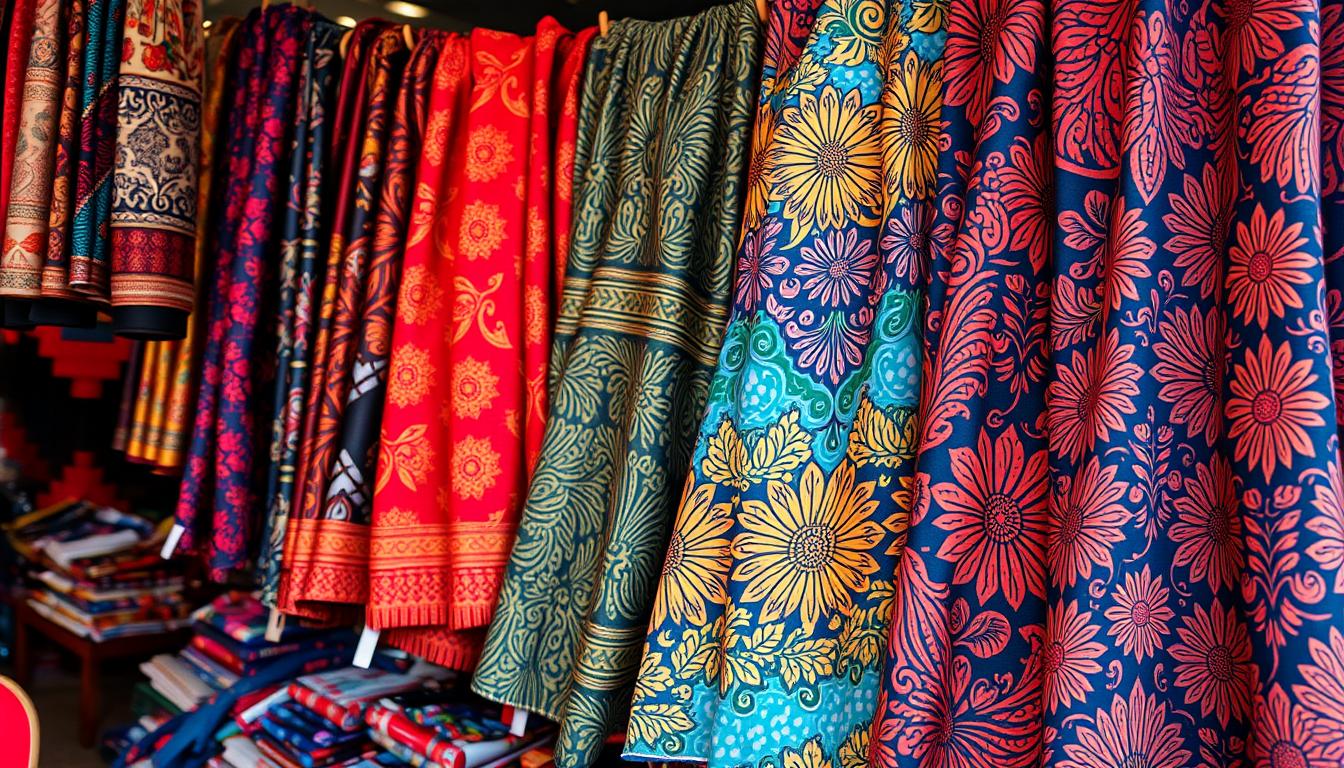
The Rich Heritage of Batik Malaysia
Although batik's true origins remain somewhat mysterious, evidence of early batik techniques has been found across the Middle East, Egypt, Peru, and various parts of Asia dating back 2000 years. However, it reached its highest artistic expression in Southeast Asia, particularly in Indonesia and Malaysia. The states of Kelantan and Terengganu are widely recognized as the cradle where Malaysian batik flourished and developed its distinctive character.
The Sultans of these states played a pivotal role in nurturing the growth of batik, encouraging experimentation with mass production techniques while maintaining artistic integrity. Following Malaysia's independence in 1957, batik was embraced as a symbol of national identity, becoming the official attire for formal occasions and cementing its place in the cultural fabric of the nation.
"Batik is not merely a craft—it is the embodiment of Malaysian cultural identity, a living heritage that continues to evolve while honoring its roots."
By the 1990s, batik had temporarily lost some of its cultural momentum, but experienced a powerful renaissance in 2003 that breathed new life into this traditional art form. Today, Malaysian batik has evolved from a handicraft into a unique art form that inspires people worldwide, thanks to the combined efforts of government initiatives and passionate entrepreneurs who work tirelessly to preserve this national treasure.
Types of Malaysian Batik
In Malaysia, batik creation has evolved into two distinct forms, each with its own techniques, characteristics, and applications. Understanding these differences helps appreciate the craftsmanship behind each piece and recognize authentic Malaysian batik.
| Type | Technique | Characteristics | Common Uses |
| Hand-Drawn Batik (Batik Tulis) | Uses canting tool to apply hot liquid wax | Intricate designs, multi-hued patterns, unique appearance | Luxury garments, formal wear, art pieces |
| Block-Printed Batik (Batik Cap) | Uses copper or wooden stamps dipped in wax | Repeated patterns, faster production, less detailed | Casual wear, home décor, mass production |
Hand-Drawn Batik (Batik Tulis)
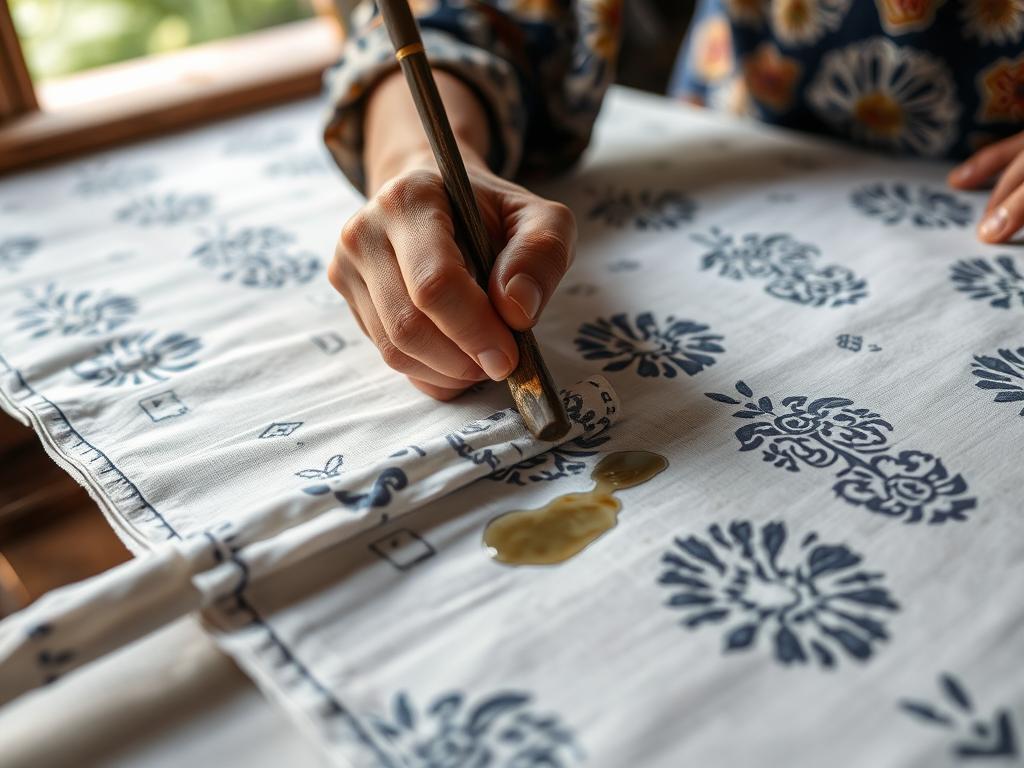
Hand-drawn batik represents the pinnacle of batik craftsmanship. Artisans use a metal tool called a canting to draw designs on fabric with hot liquid wax. After completing the wax outlines, they apply dyes within these boundaries using brushes, creating shaded and multi-hued designs that showcase remarkable artistic expression.
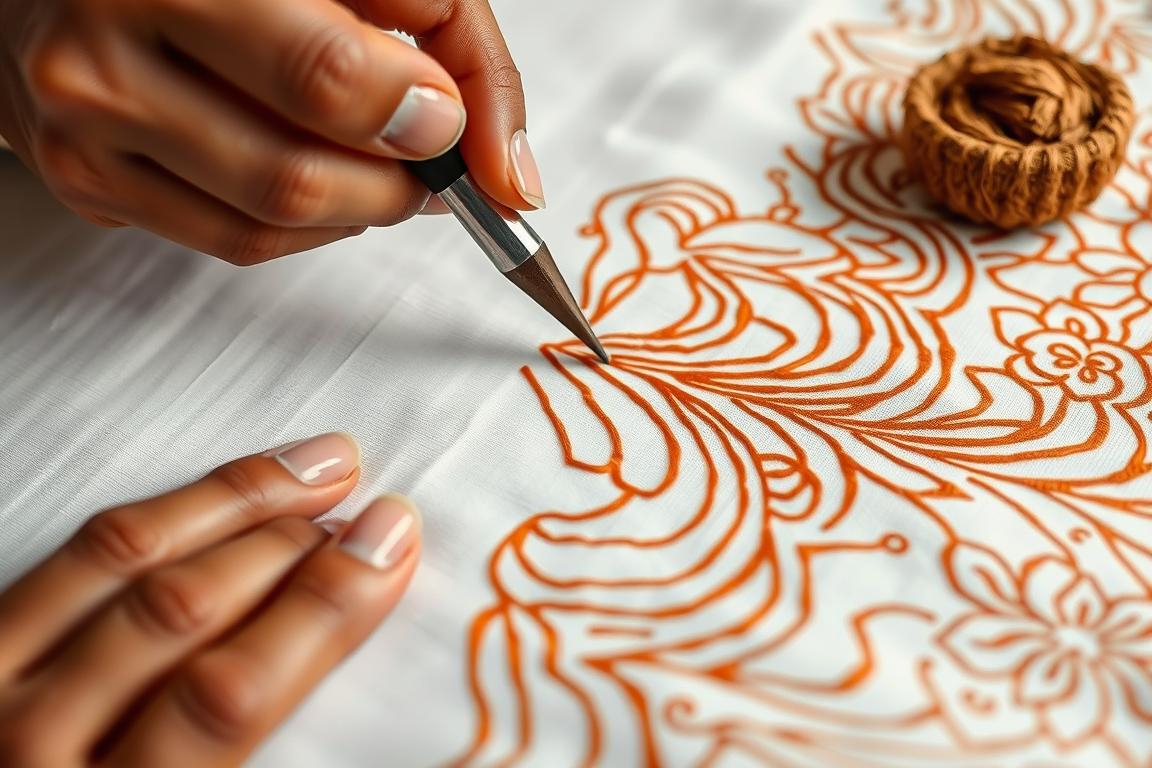
Various fabrics serve as the canvas for this art form, including cotton, rayon, linen, voile, and silk. These fabrics come alive with floral and geometrical motifs arranged in layouts that reflect both traditional patterns and contemporary trends. Hand-drawn batik typically comes in 4-meter lengths for women's wear or 2-meter lengths for men's wear, often reserved for formal occasions.
Experience Authentic Hand-Drawn Batik
Discover the exquisite craftsmanship of traditional Malaysian batik tulis through our curated collection of authentic pieces, each telling a unique story of cultural heritage and artistic excellence.
Explore Batik CollectionBlock-Printed Batik (Batik Cap)
Block-printed batik offers an alternative approach to batik creation. Instead of the canting tool, artisans use copper blocks or wooden stamps with artistically patterned bottoms. The block is dipped into wax and pressed onto the fabric, which is then dip-dyed. After removing the wax, a single-color batik emerges.
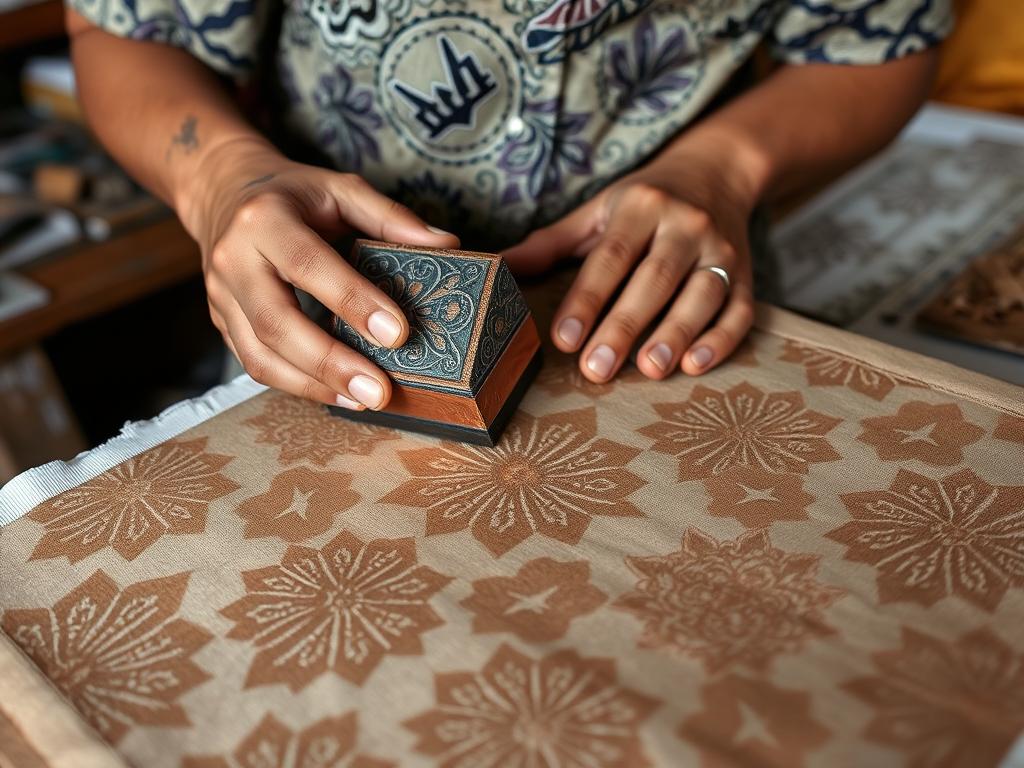
For more complex and colorful designs, the process of waxing with different blocks and de-waxing may be repeated multiple times. Cotton is particularly popular for block-printed batik, with production quantities around 20 meters depending on the original fabric size. This type of batik is commonly tailored into shirts and dresses for casual wear, as well as incorporated into various handicrafts and soft furnishings.
While block-printed batik lacks the intricate delicacy of hand-drawn batik, with similar shapes or patterns repeated across the fabric, it offers a more accessible entry point to batik appreciation. The production process is faster and more suitable for mass production, making block-printed batik more affordable and widely available than its hand-drawn counterpart.
Distinctive Characteristics of Malaysian Batik
Although Malaysian batik traces its roots to Indonesian influences from about a century ago, it has developed its own distinctive characteristics that set it apart. These unique elements reflect Malaysia's cultural identity and artistic vision.
Drawing Method
Malaysian batik artisans stand while drawing the batik on a frame, unlike their Indonesian counterparts who sit and draw without frame supports. This technique allows for different perspectives and approaches to design execution.
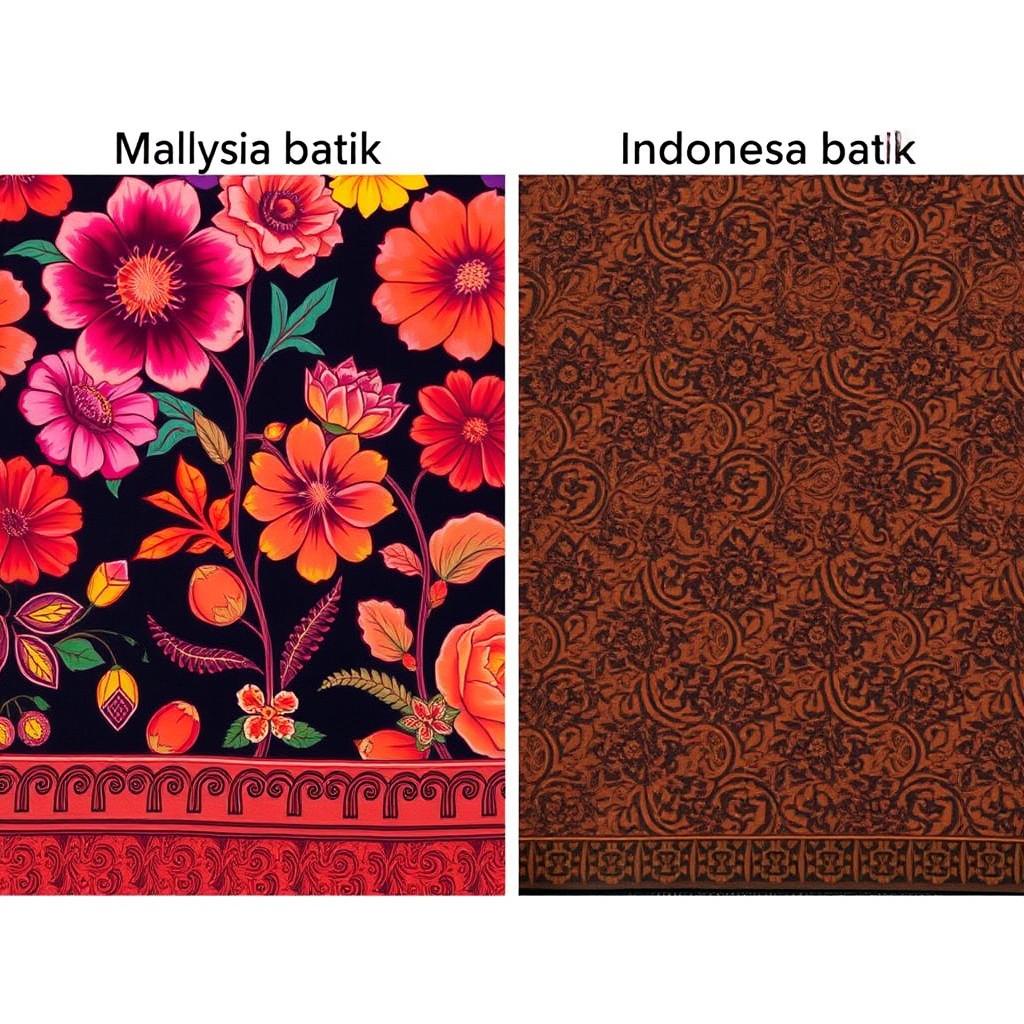
Design Elements
Malaysian batik features larger, more floral designs that celebrate natural beauty. In contrast, Indonesian batik tends toward more detailed patterns with stronger religious influences in the motifs and symbolism.
Color Palette
The color schemes in Malaysian batik are notably vibrant and bold, creating striking visual impact. Indonesian batik typically employs darker tones with extensive use of brown hues, reflecting different aesthetic preferences and cultural influences.
Motifs and Symbolism
Malaysian batik motifs can be found adorning buildings, palaces, mosques, woven mats, weapons, ceramics, and various textile forms. These designs are typically floral and geometrical, or a harmonious blend of both elements. The patterns may be repeated, elaborated upon, or creatively distorted into curvilinear scrolls and convolutions.

Identifying Quality Malaysian Batik
Despite batik's widespread popularity in Malaysia, not all batik enthusiasts are familiar with the painstaking process required to create this invaluable heritage. The value of a batik piece is largely determined by the time and skill invested in its creation. To identify authentic, high-quality Malaysian batik, consider these key attributes:
Color Scheme
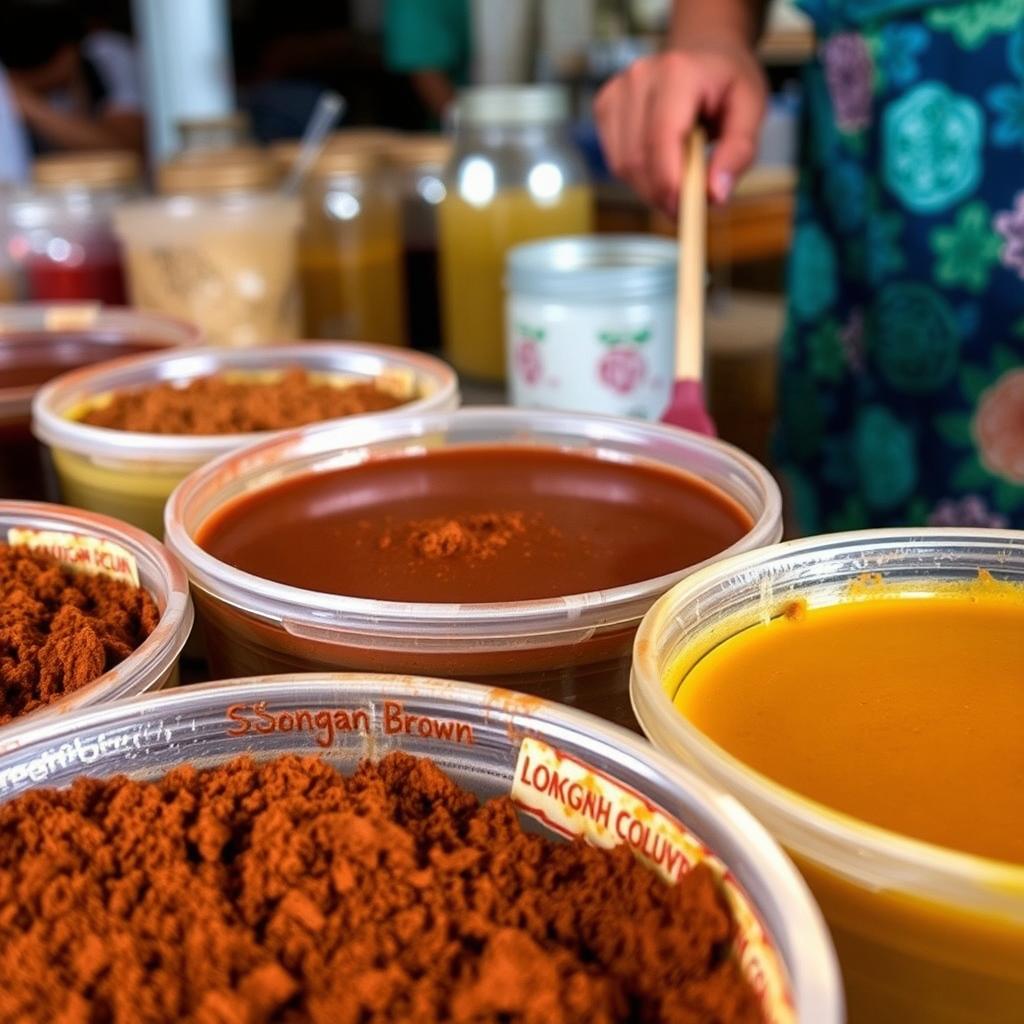
Traditional batik uses malam (hot liquid wax) and natural dyes derived from leaves and flowers, producing earthy tones. The deep-brown color known as 'sogan' is characteristic of traditional batik. In contrast, commercially-made printed batik employs chemical dyes, resulting in brighter colors and richer variation.
Reverse Side
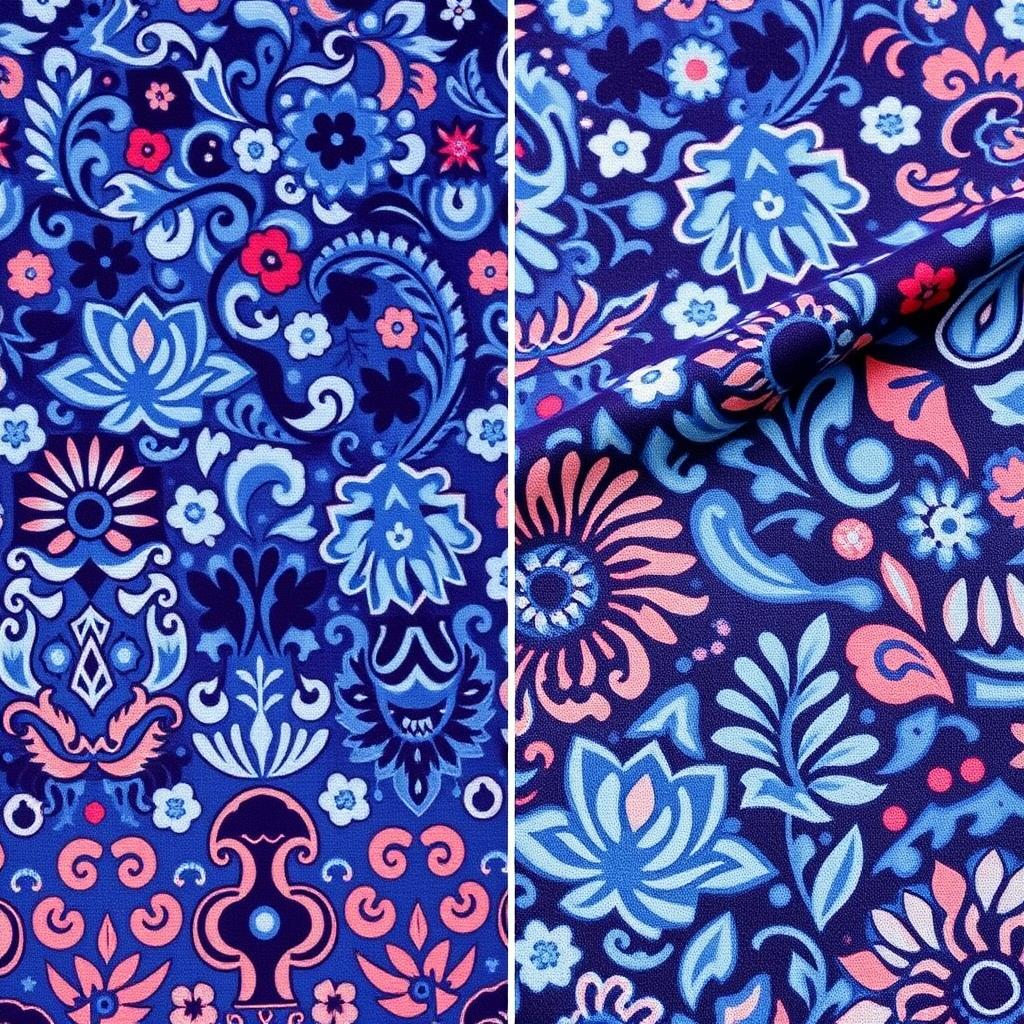
The easiest way to identify handmade batik is to examine the reverse side of the fabric. In printed batik, the reverse side appears noticeably faded since only one side receives the print. With hand-drawn batik tulis, the color remains consistent on both sides because the fabric is fully immersed in dye vats during the creation process.
Unique Appearance
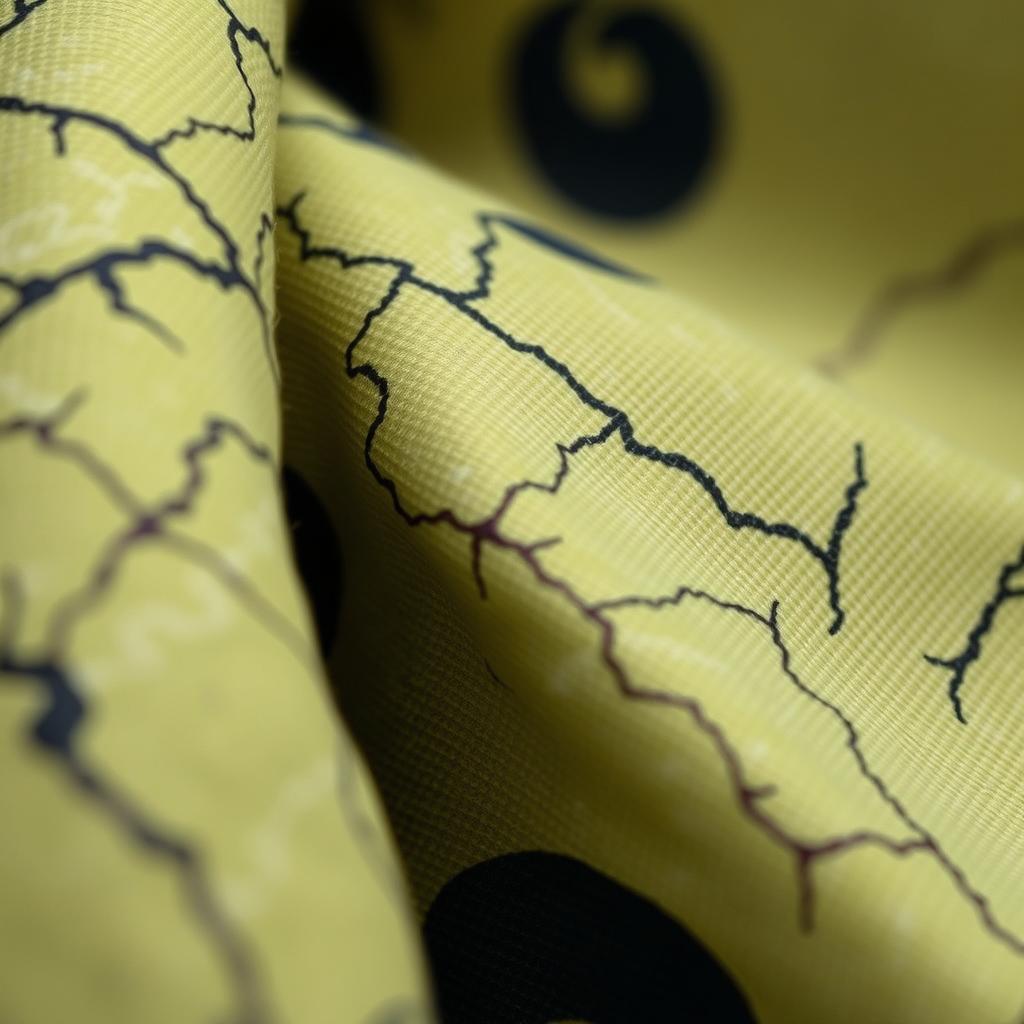
Every stroke on batik tulis is hand-drawn using a canting, giving each piece a unique appearance. Since the process is manual, you may notice subtle variations, stains, or slight irregularities. The strokes might not be as precise as those on printed batik, but these beautiful imperfections actually enhance the value and authenticity of the piece.
Get Your Authentic Malaysian Batik
Celebrate heritage in style — explore our authentic Malaysian batik collection today!
Shop Batik On Sale!Modern Applications of Malaysian Batik
Beyond its traditional forms, Malaysian batik has evolved to embrace contemporary applications while maintaining its cultural essence. Today, this versatile art form appears in diverse contexts, from high fashion to interior design, demonstrating its enduring relevance in modern life.
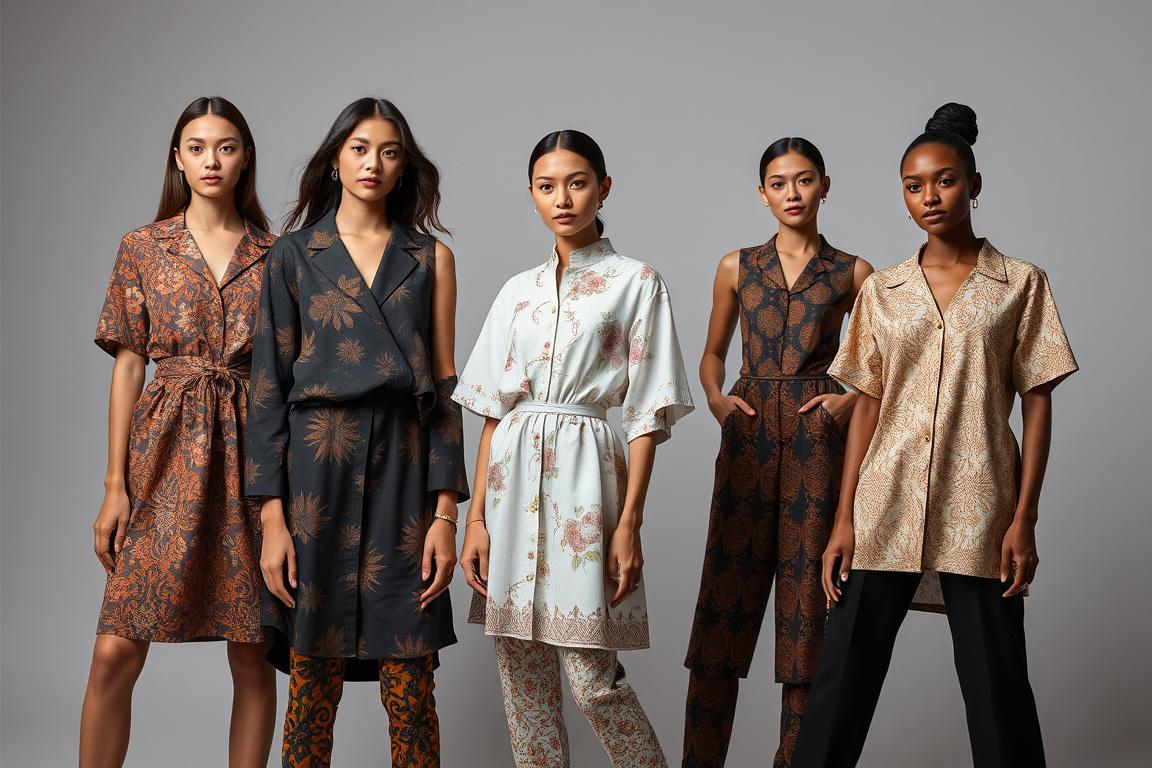
Fashion and Apparel
Malaysian batik has transcended its traditional role to become a vibrant presence in contemporary fashion. Designers now incorporate batik elements into modern silhouettes, creating pieces that honor heritage while embracing current trends. From elegant evening wear to casual everyday clothing, batik adds a distinctive touch that celebrates Malaysian identity.
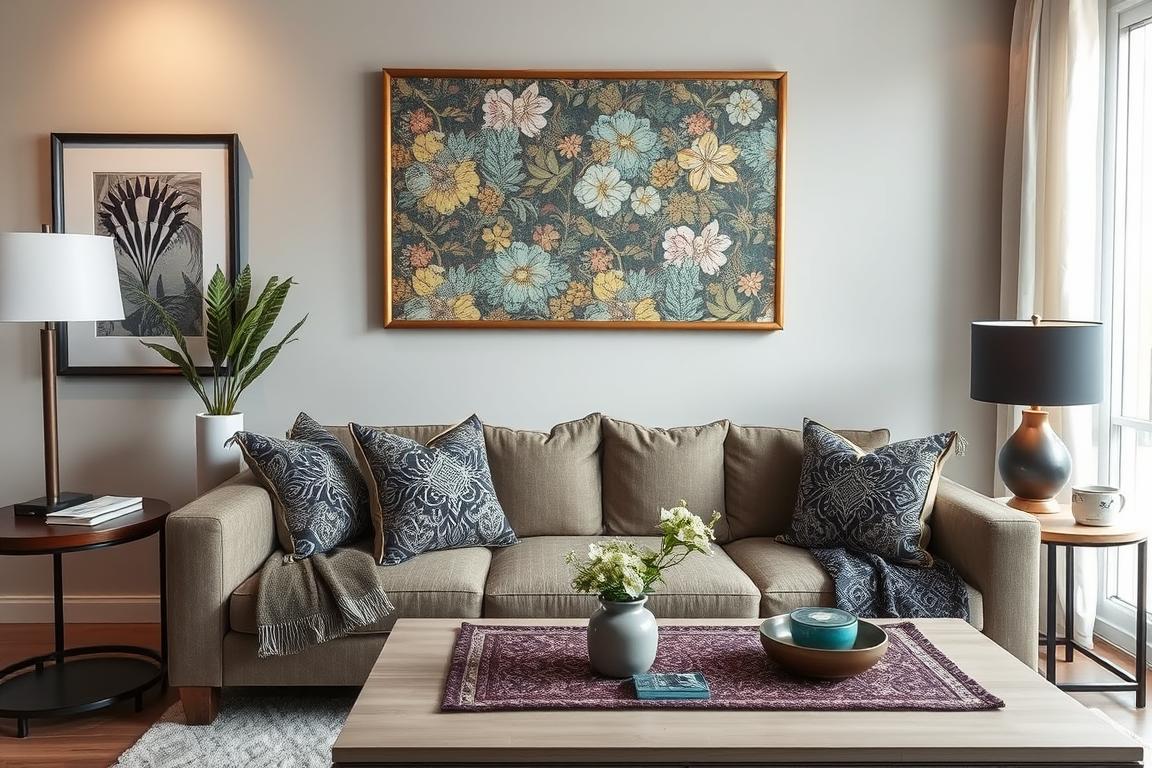
Home Décor and Art
The artistic versatility of Malaysian batik extends beautifully into home décor and fine art. Rather than being limited to traditional applications, batik now appears as striking wall art, elegant soft furnishings, and decorative accessories that bring Malaysian cultural heritage into contemporary living spaces.
Bring Malaysian Batik Into Your Home
Discover our curated collection of authentic Malaysian batik home décor pieces, each handcrafted by skilled artisans to bring the
Shop Batik CollectionPreserving the Heritage of Malaysian Batik
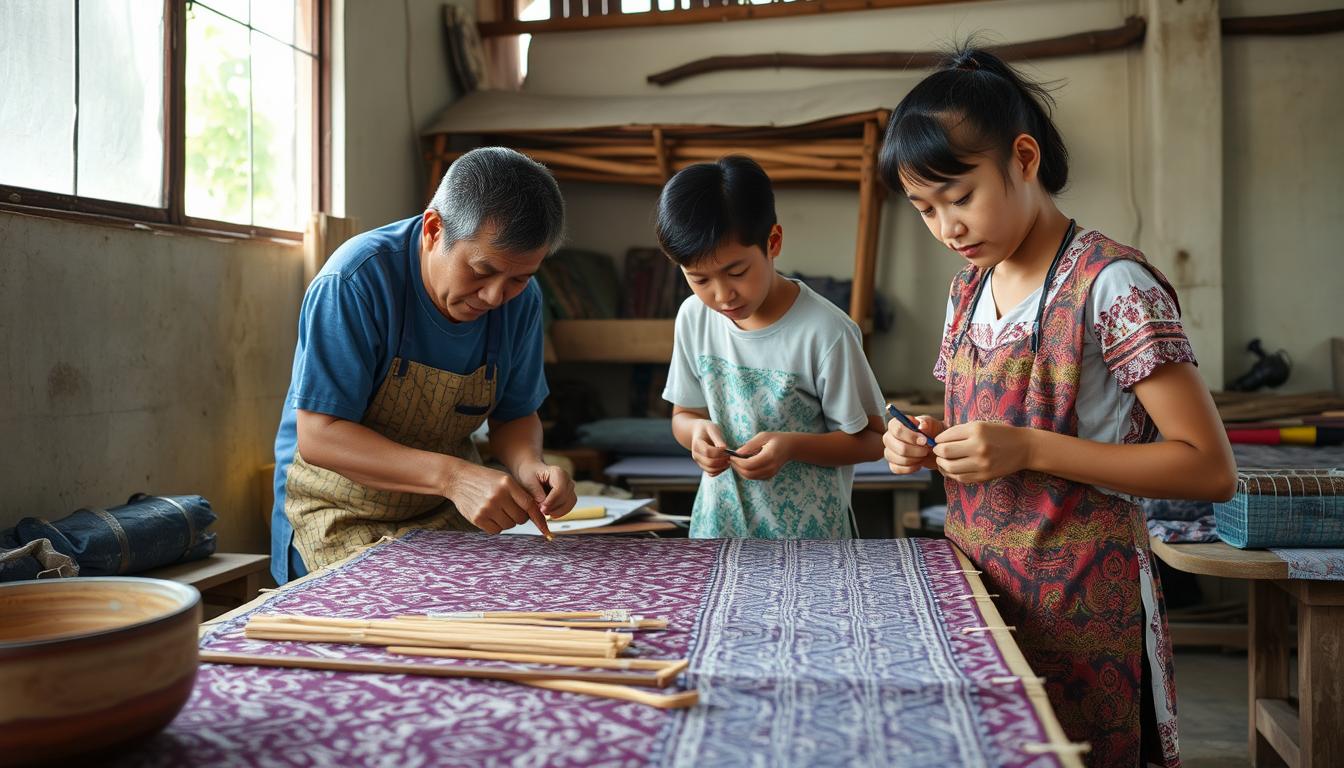
The preservation of Malaysian batik represents more than just maintaining a craft—it's about safeguarding a vital element of cultural identity. Various stakeholders, from government institutions to individual artisans, play crucial roles in ensuring this living heritage continues to thrive for future generations.
Challenges and Opportunities
Despite its cultural significance, Malaysian batik faces several challenges in the contemporary landscape. Mass-produced imitations, changing consumer preferences, and the declining number of skilled artisans all pose threats to authentic batik traditions. However, these challenges also present opportunities for innovation and renewed appreciation.
Preservation Initiatives
- Government support through cultural heritage programs
- Educational workshops that pass knowledge to new generations
- Cultural tourism that creates economic incentives for artisans
- Digital documentation of techniques and patterns
Ongoing Challenges
- Competition from mass-produced imitations
- Declining numbers of skilled traditional artisans
- Balancing innovation with preservation of authenticity
- Limited awareness among younger generations
The future of Malaysian batik lies in finding harmony between preserving traditional techniques and embracing innovation. By supporting authentic batik creators, educating the public about its cultural significance, and finding contemporary applications for this ancient art form, we can ensure that Malaysian batik continues to thrive as a living heritage rather than becoming a relic of the past.
"In every piece of Malaysian batik, we see not just a beautiful design, but the continuation of a cultural legacy that connects past, present, and future generations."
Embracing the Legacy of Batik Malaysia
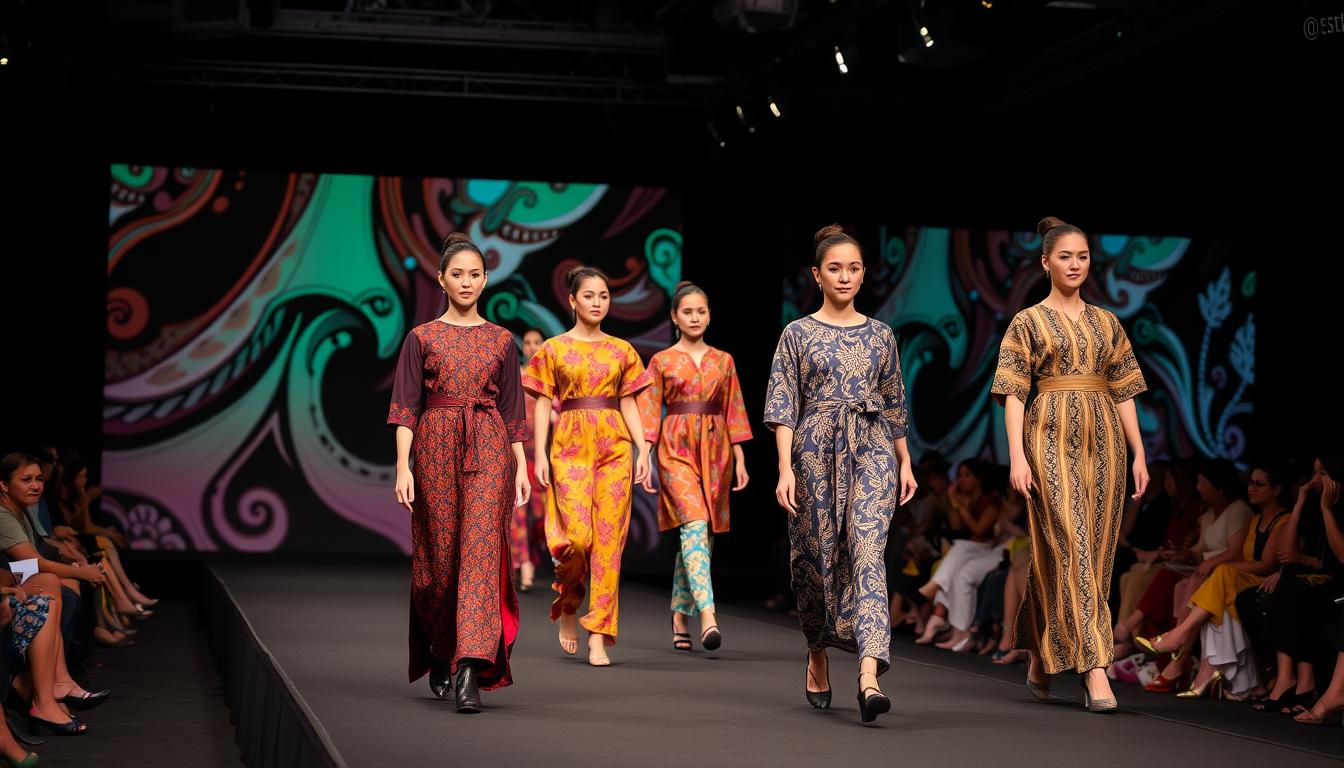
Malaysian batik stands as a vibrant testament to the nation's cultural richness and artistic heritage. From its historical roots to its contemporary expressions, batik continues to evolve while maintaining the essence that makes it uniquely Malaysian. The distinctive characteristics—standing artisans, vibrant colors, and bold floral designs—set Malaysian batik apart as a cultural treasure worthy of celebration and preservation.
Whether appreciated as fine art, worn as elegant attire, or incorporated into modern living spaces, Malaysian batik bridges generations and cultures. By understanding its techniques, recognizing quality craftsmanship, and supporting authentic artisans, we contribute to keeping this precious heritage alive for future generations to cherish and enjoy.
Continue Your Batik Malaysia Journey
Deepen your appreciation for this magnificent cultural heritage through our immersive experiences, authentic collections, and educational resources dedicated to Malaysian batik.
Explore Malaysian Batik